
Introduction
Healthcare organizations are confronting a phenomenal wave of protection and cybersecurity challenges in 2026. From ransomware assaults and AI-powered information collection to frail oversight of computerized health applications, the healthcare industry is beneath expanding weight to secure delicate understanding data. Later health information protection news appears that healing centers, protection suppliers, computerized health stages, and AI companies are battling to adjust development with security.
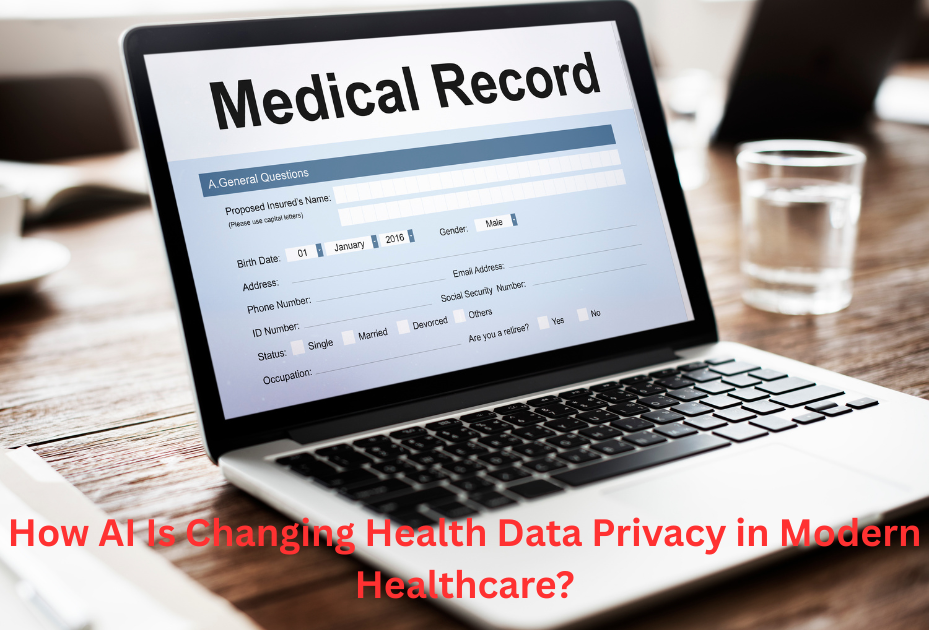
Medical records are among the most important shapes of individual data since they contain budgetary subtle elements, personality information, protections data, and delicate health histories. Cybercriminals progressively target healthcare frameworks since stolen therapeutic information can be sold for higher costs than credit card data on illicit marketplaces. As healthcare suppliers receive fake insights, cloud capacity, telehealth frameworks, and associated therapeutic gadgets, the dangers encompassing understanding protection proceed to grow.
Rising Healthcare Information Breaches in 2026
One of the greatest advancements in later health information protection news includes the rising number of healthcare breaches detailed in the United States. Agreeing to numerous cybersecurity reports, millions of persistent records were uncovered amid the to begin with months of the year alone.
Healthcare breaches presently commonly include:
- Ransomware attacks
- Unauthorized framework access
- Insider threats
- Third-party seller vulnerabilities
- Cloud capacity misconfigurations
The developing recurrence of cyberattacks highlights how powerless healthcare frameworks have gotten to be. Clinics are alluring targets since they depend intensely on real-time quiet information, meaning operational downtime can straightforwardly influence understanding care.
In numerous later cases, assailants scrambled clinic frameworks and requested expansive emancipation installments in trade for reestablishing get to. This has constrained healthcare suppliers to contribute more forcefully in cybersecurity protections and occurrence reaction planning.
Third-Party Merchants and Information Protection Risks
Another major concern in health information security news is the expanding reliance on third-party benefit suppliers. Numerous healthcare organizations presently outsource basic operations such as:
- Electronic health record management
- Billing systems
- AI-powered translation services
- Cloud infrastructure
- Telehealth platforms
While outsourcing makes strides effectiveness, it moreover grows the number of frameworks that handle touchy persistent data. A single helplessness in a vendor’s organisation can uncover thousands or indeed millions of restorative records.
Regulators are presently paying closer consideration to trade partners that handle healthcare information. Organizations are anticipated to conduct more grounded seller chance evaluations, guarantee compliance understandings are upgraded, and persistently screen how persistent information is put away and shared.
Artificial Insights Is Changing Healthcare Privacy
Artificial insights are quickly changing healthcare administrations. AI apparatuses are presently utilized for:
- Clinical documentation
- Appointment scheduling
- Medical imaging analysis
- Patient communication
- Predictive healthcare analytics
Although these innovations make strides operational effectiveness, they moreover make unused protection concerns. Numerous patients unwittingly share exceedingly touchy data with AI-powered chatbots and computerized health applications without completely understanding how the information is processed.
One of the greatest issues is that a few shopper AI stages are not legitimately classified as healthcare suppliers. As a result, certain AI instruments may not drop beneath conventional restorative security laws.
This makes perplexity for clients who expect their discussions and restorative data to get the same assurances as healing center records.
The Issue With “Shadow AI” in Hospitals
Healthcare IT specialists are progressively concerned around the rise of “shadow AI.” This alludes to representatives utilizing unauthorized AI apparatuses in interior healthcare situations without official endorsement from their organizations.
For example, therapeutic staff may duplicate persistent data into open AI chatbots to create outlines or documentation quicker. Whereas this may progress efficiency, it can inadvertently uncover secret understanding information to outside systems.
Shadow AI makes a few dangers, including:
- Loss of delicate understanding information
- Regulatory compliance violations
- Unmonitored information transfers
- Reduced organizational control over therapeutic records
Healthcare organizations are presently presenting stricter AI administration arrangements to diminish these dangers and teach representatives almost secure AI utilization practices.
Ransomware Remains a Major Threat
Ransomware assaults proceed to overwhelm health information security news in 2026. Cybercriminals progressively target healing centers since healthcare operations depend intensely on continuous access to advanced systems.
When clinics lose to persistent records, arrangement frameworks, or crisis communication systems, quiet security may be straightforwardly influenced. This criticalness regularly weighs organizations into paying aggressors quickly.
Many healthcare frameworks still depend on obsolete foundation, including:
- Legacy software
- Unsupported working systems
- Weak watchword policies
- Unpatched security vulnerabilities
Unfortunately, constrained cybersecurity budgets and staffing deficiencies make it troublesome for numerous healthcare suppliers to modernize their frameworks quickly.
Why Existing Security Laws Are Struggling
Healthcare protection controls were made long ago, and recently cutting edge AI frameworks, wearable innovation, and cloud computing have become standard. As a result, current laws regularly come up short to address advanced information security challenges effectively.
Traditional healthcare directions basically center on healing centers and protections companies, but today’s computerized healthcare biological system includes:
- Mobile health apps
- Smartwatches and wellness trackers
- AI health assistants
- Online mental health platforms
- Remote checking devices
Many of these administrations collect expansive sums of individual health data whereas working exterior conventional healthcare security frameworks.
Experts contend that governments must overhaul protection laws to reflect cutting edge innovations and make strides straightforward with respect to how companies collect, store, and monetize health data.
Wearable Gadgets and Ceaseless Health Monitoring
Wearable gadgets have ended up progressively prevalent in healthcare and wellness businesses. Smartwatches, wellness trackers, and inaccessible quiet observing frameworks persistently collect biometric data such as:
- Heart rate
- Sleep patterns
- Activity levels
- Blood oxygen measurements
- Stress indicators
While these advances give profitable health experiences, they too make protection concerns since huge sums of individual data are put away on associated platforms.
Consumers are getting to be more mindful of how innovation companies may utilize this data for publicizing, analytics, or AI preparing purposes. As a result, weight is developing for more grounded straightforwardness and stricter information taking care of practices.
The Monetary Effect of Healthcare Information Breaches
Healthcare information breaches are greatly costly for organizations. The budgetary results frequently include:
- Regulatory fines
- Legal settlements
- Incident reaction costs
- System recuperation expenses
- Reputation damage
- Loss of understanding trust
Insider dangers and representative carelessness are moreover getting to be major donors to protection episodes. Human blunder remains one of the weakest focuses in healthcare cybersecurity.
Even a little botch, such as clicking a phishing e-mail or misconfiguring cloud capacity, can uncover thousands of understanding records.
Because of these dangers, healthcare organizations are expanding ventures in:
- Employee cybersecurity training
- Multi-factor authentication
- Data encryption
- Zero-trust security frameworks
- Continuous checking systems
The Future of Health Information Privacy
The future of healthcare depends intensely on understanding and belief. Individuals anticipate healthcare suppliers to secure their restorative histories, symptomatic data, and individual subtle elements from cyber dangers and unauthorized access.
As healthcare innovation gets to be more progressed, organizations must adjust advancement with moral information security hones. Counterfeit insights, cloud computing, and associated therapeutic gadgets will proceed changing healthcare, but more grounded protection shields are essential.
Healthcare companies that prioritize cybersecurity and straightforwardness will likely construct more grounded long-term connections with patients. On the other hand, organizations that come up short to ensure touchy data may confront genuine monetary, lawful, and reputational consequences.
Conclusion
Health information security news proceeds to highlight the developing challenges confronting cutting edge healthcare frameworks. Rising ransomware assaults, powerless third-party security, AI-related dangers, and obsolete security laws are reshaping the healthcare cybersecurity landscape.
Patients are getting to be more mindful of how important their restorative information is and how effectively it can be uncovered or abused. At the same time, governments and controllers are pushing for more grounded oversight of advanced health innovations and AI-powered healthcare services.
The healthcare industry presently faces a basic obligation: grasping innovative advancement whereas guaranteeing understanding security remains secured. Organizations that effectively combine security, straightforwardness, and mindful AI utilization will be way better arranged for the future of advanced healthcare.